

 SissyAdmin
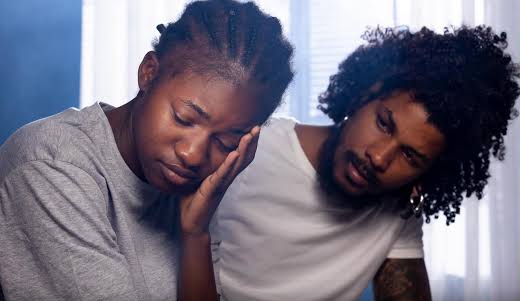 AVOID MARRYING A MASTURBATION ADDICT
Before marriage, couples discuss finances, children, family backgrounds and expectations. They ask questions about almost everything, yet sexual habits often escape serious conversation. Unfortunately, what you refuse to discuss during courtship may become a major source of conflict in marriage. One issue worth paying attention to is compulsive masturbation.
Masturbation itself does not make someone an addict. The concern is when it becomes a compulsive habit, something a person struggles to control, hides from a partner and repeatedly chooses over genuine sexual intimacy.
Think about it, you are married, sharing a bed with someone who would rather find satisfaction alone than build intimacy with you. You initiate affection, but your partner seems uninterested. You begin wondering whether you are no longer attractive or whether something is wrong with your sexuality. Meanwhile, your spouse may be getting sexual gratification privately through masturbation and pornography.
This is where the problem becomes more than a sexual habit, it becomes an emotional issue. Marriage requires participation, vulnerability and mutual satisfaction. When one partner repeatedly withdraws into private sexual gratification, the other may begin to feel unwanted, rejected and sexually neglected. You can be physically together and emotionally lonely.
There is also the issue of secrecy, compulsive behaviour often comes with hiding, excuses and dishonesty. Deleted browsing history, unexplained withdrawal and defensiveness whenever the subject comes up can gradually destroy trust.
Before long, the marriage becomes an investigation, with one partner constantly looking for answers and the other protecting a secret.
Unfortunately, some people enter marriage believing that having a husband or wife will automatically put an end to these habits, that is wishful thinking. Marriage does not cure addiction. If anything, an unresolved problem can become more complicated when two people are now emotionally and sexually affected by it.
Does this mean someone struggling with compulsive masturbation cannot have a successful marriage? Absolutely not- Recovery is possible, particularly when the person acknowledges the problem, accepts responsibility and is willing to seek professional help.
However, do not confuse promises with progress, love is not a treatment plan, and marriage is not a rehabilitation centre.
Before exchanging vows, have honest conversations about sexual habits and expectations. Do not marry someone hoping that your presence will cure a problem they refuse to confront.
Remember, marriage requires two willing participants, not one spouse and a private sexual habit competing for the other’s place.
Meet SissyAde, a renowned Sex Therapist & Coach dedicated to nurturing meaningful relationships and marriages.
With expertise in Sex Therapy, Relationship Coaching, and more, SissyAde empowers individuals and couples to build healthy, fulfilling connections that work globally, fostering love and collaboration.
This post was created with our nice and easy submission form. Create your post!


GIPHY App Key not set. Please check settings